






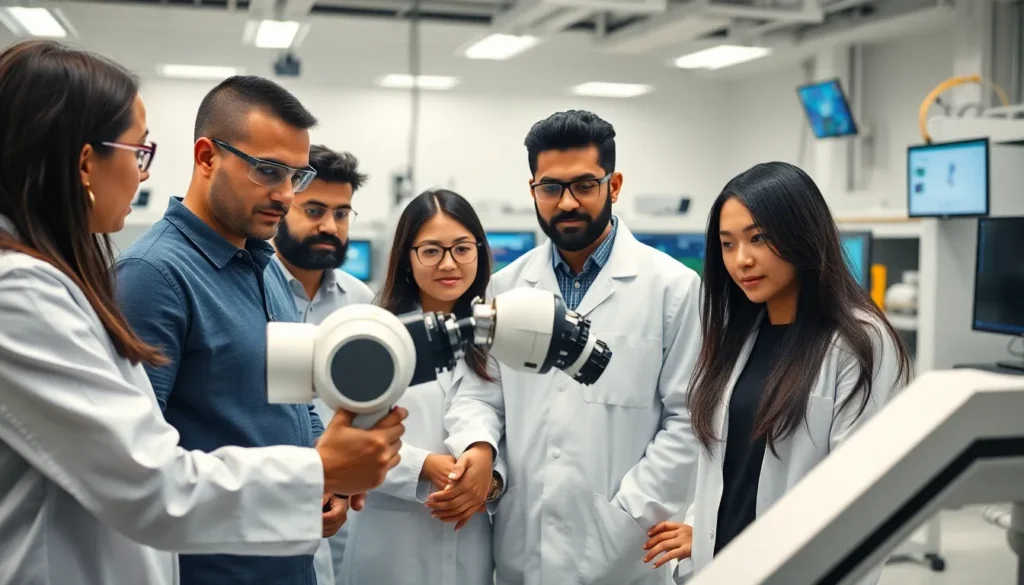
Robotic systems are rapidly transforming the way industries operate, making processes more efficient and precise. From manufacturing to healthcare, these innovations are reshaping traditional roles and creating exciting new possibilities. As technology advances, robots are becoming smarter, more adaptable, and capable of performing complex tasks that were once thought to be the sole domain of humans.
With breakthroughs in artificial intelligence, machine learning, and sensor technology, the future of robotics looks bright. Companies are now leveraging these advancements to enhance productivity and improve safety, leading to a significant shift in the workforce landscape. As we explore the latest innovations in robotic systems, it’s clear that they’re not just tools; they’re partners in progress, driving us towards a more automated and efficient world.
Overview of Innovations in Robotic Systems
Innovations in robotic systems enhance operational capabilities across industries. Artificial intelligence enables robots to learn from experiences, adapting to different environments and tasks. Machine learning algorithms analyze data patterns, improving decision-making processes in real time. Sensor technology advances provide enhanced perception, allowing robots to interact with their surroundings effectively.
Collaborative robots (cobots) represent a significant shift in robotic design. Cobots work alongside humans, emphasizing safety and ease of use. These systems boost productivity by automating repetitive tasks while individuals focus on more complex operations.
Integration of robotics with the Internet of Things (IoT) is another key development. This connectivity facilitates seamless data sharing among devices, resulting in smarter operations. Robotics systems equipped with IoT capabilities improve monitoring and control processes in various applications.
3D printing technologies combined with robotics expand manufacturing capabilities. Automated 3D printers streamline production processes, enabling rapid prototyping and customized manufacturing. This combination reduces material waste and enhances design flexibility.
Autonomous vehicles stand out as a groundbreaking innovation. These systems navigate environments independently, applying advanced sensors and AI for situational awareness. Industries such as logistics and transportation are already experiencing the benefits of autonomous technology.
Innovative robotic systems also evolve in healthcare. Surgical robots improve precision during procedures, leading to better patient outcomes. Rehabilitation robots assist patients with mobility, promoting independence and enhancing recovery.
Overall, the landscape of robotic systems continuously transforms. These innovations reinforce robots’ roles as indispensable tools in modern workflows, driving efficiency and productivity across sectors.
Key Areas of Development
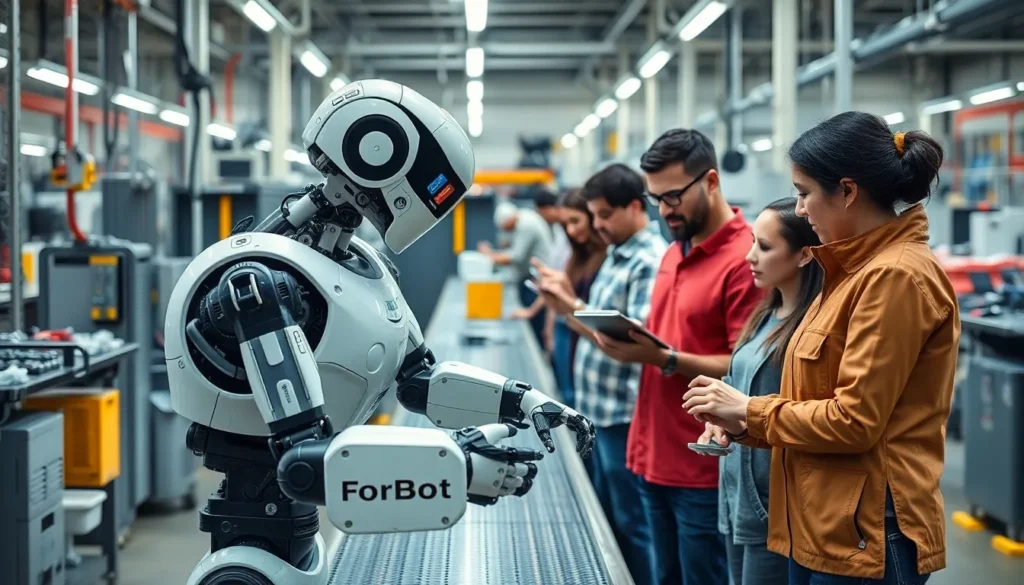
Innovations in robotic systems focus on several key areas crucial for enhancing capabilities and applications across various sectors.
Artificial Intelligence Integration
Artificial intelligence integration allows robots to perform complex tasks with greater efficiency. AI enables robots to analyze data, recognize patterns, and make informed decisions in real time. For instance, robots in manufacturing can adjust processes dynamically based on production line data, optimizing workflows. Machine learning algorithms continue to enhance predictive maintenance, reducing downtime by forecasting failures before they occur. Companies like Boston Dynamics and UiPath exemplify successful AI implementation in robotics, leading to smarter and more autonomous systems.
Advanced Sensors and Perception
Advanced sensors and perception systems significantly improve a robot’s ability to interact with its surroundings. Technologies such as LiDAR, depth cameras, and touch sensors provide critical data for navigation and object recognition. Robots equipped with these sensors can map environments accurately, enhancing their operational effectiveness in tasks like warehousing and autonomous driving. A notable example includes autonomous vehicles that combine multiple sensor types to adapt swiftly to dynamic road conditions and obstacles, ensuring safety and efficiency on the move.
Collaborative Robotics
Collaborative robotics emphasizes human-robot interaction, enabling robots to work alongside people safely and efficiently. Cobots are designed to assist with repetitive tasks, allowing human workers to focus on more complex responsibilities. This collaboration boosts productivity in sectors like assembly lines and healthcare. Companies such as FANUC and Universal Robots lead in developing collaborative systems that prioritize safety features, such as force-limiting and advanced vision systems, ensuring a harmonious workplace environment.
Applications of Robotic Innovations
Robotic innovations find applications across diverse sectors, significantly enhancing productivity and efficiency. Below are key areas demonstrating the transformative potential of robotic systems.
Manufacturing and Automation
Manufacturing heavily embraces robotic automation to streamline production lines. Robots perform tasks like assembly, welding, and quality control with high precision. Examples include:
- Robotic Arms: Implemented for assembly and material handling, enabling faster production cycles.
- Automated Guided Vehicles (AGVs): Used for transporting materials across facilities, reducing human labor and minimizing errors.
- Collaborative Robots (Cobots): These work alongside human operators, increasing efficiency while maintaining safety.
The implementation of robotic systems leads to substantial gains in productivity, reducing operational costs and ensuring consistently high-quality outputs.
Healthcare and Surgery
In healthcare, robotic innovations play a crucial role in improving patient outcomes. Notable applications encompass:
- Surgical Robots: Utilized for minimally invasive procedures, these enhance precision and reduce recovery times.
- Rehabilitation Robots: Designed to assist patients with mobility challenges, providing personalized support during therapy.
- Telepresence Robots: Enable remote consultations and monitoring, ensuring patients receive timely medical advice.
The integration of robotics in healthcare optimizes resource allocation and enhances the overall patient care experience.
Agriculture and Farming
Robotics transforms agriculture by automating essential tasks, contributing to increased efficiency and sustainability. Significant applications include:
- Autonomous Tractors: Used for plowing and planting, these machines enhance productivity while minimizing labor needs.
- Drones: Employed for crop monitoring, providing real-time data on field conditions and helping farmers make informed decisions.
- Harvesting Robots: Designed to pick fruits and vegetables, they reduce the reliance on seasonal labor and minimize crop damage.
The adoption of robotics in agriculture leads to higher yield, reduced waste, and improved resource management.
Future Trends in Robotics
Future trends indicate significant advancements in the field of robotics, particularly in autonomous systems and ethical considerations. These developments will shape the direction of robotic innovation, impacting various industries.
Autonomous Systems
Autonomous systems showcase the potential for robots to operate independently in diverse environments. Robots equipped with advanced AI algorithms navigate complex terrains, facilitating advancements in transportation, logistics, and exploration. Examples include delivery drones effectively transporting goods and autonomous vehicles improving safety and efficiency while reducing traffic congestion. Moreover, agricultural robots perform tasks like planting and harvesting with minimal human intervention, maximizing yield and efficiency. As technology evolves, increased collaboration between robots and humans in sensing, decision-making, and learning will enhance the capabilities and reliability of these autonomous systems.
Ethical Considerations in Robotics
Ethical considerations play a crucial role in the development of robotic systems. As robots take on more complex and sensitive tasks, issues regarding accountability, privacy, and safety become paramount. Manufacturers must establish transparent protocols to ensure that robots operate ethically and safely in various contexts, from healthcare to law enforcement. For instance, biases in AI algorithms can lead to unintended discriminatory actions, highlighting the need for fairness in robotic operations. Additionally, discussions surrounding job displacement and the future of work require careful attention. Addressing these ethical concerns fosters public trust in robotic innovations and ensures responsible implementation in society.
The advancements in robotic systems are reshaping industries and redefining productivity. As robots become more intelligent and adaptable through AI and machine learning, their capabilities expand beyond simple tasks. The rise of collaborative robots and the integration with IoT and 3D printing technologies further enhance operational efficiency.
Robotics is not just about automation; it’s about creating partnerships between humans and machines. This evolution promises a future where robots play a crucial role in sectors like manufacturing, healthcare, and agriculture. However, as these innovations progress, addressing ethical concerns will be vital for fostering trust and ensuring responsible use. The journey towards a more automated world is just beginning, and the potential for transformative change is immense.