







In today’s rapidly evolving technological landscape, AI and robotics are transforming the way we live and work. As these innovations become integral to various industries, the demand for skilled professionals in these fields is skyrocketing. Education in AI and robotics is no longer just an option; it’s a necessity for the next generation of thinkers and creators.
Schools and universities are stepping up to meet this challenge, offering specialized programs that equip students with the knowledge and skills needed to thrive. By integrating hands-on learning with theoretical concepts, these educational initiatives prepare students to tackle real-world problems. Embracing AI and robotics education not only fosters innovation but also empowers students to become leaders in a tech-driven future.
Overview of AI and Robotics Education
AI and robotics education plays a crucial role in preparing students for careers in technology-driven sectors. Schools and universities offer specialized programs that integrate practical skills with theoretical frameworks. Programs often focus on key areas such as programming, machine learning, and robotics engineering, equipping students to tackle complex challenges.
Hands-on learning is a cornerstone of effective AI and robotics education. Students engage in projects that simulate real-world applications. For instance, they might build and program robots to perform specific tasks, providing invaluable experience in problem-solving and critical thinking.
Courses in AI and robotics frequently incorporate teamwork and collaboration, essential skills in modern workplaces. Students work in diverse teams, bringing varied perspectives to problem-solving, which enhances their ability to innovate. Moreover, partnerships with industry leaders give students exposure to current trends and technologies, ensuring a well-rounded education.
Overall, AI and robotics education fosters not only technical proficiency but also soft skills like communication and leadership. This holistic approach prepares students to contribute meaningfully to the evolving landscape of technology.
Importance of AI and Robotics in Modern Curriculum
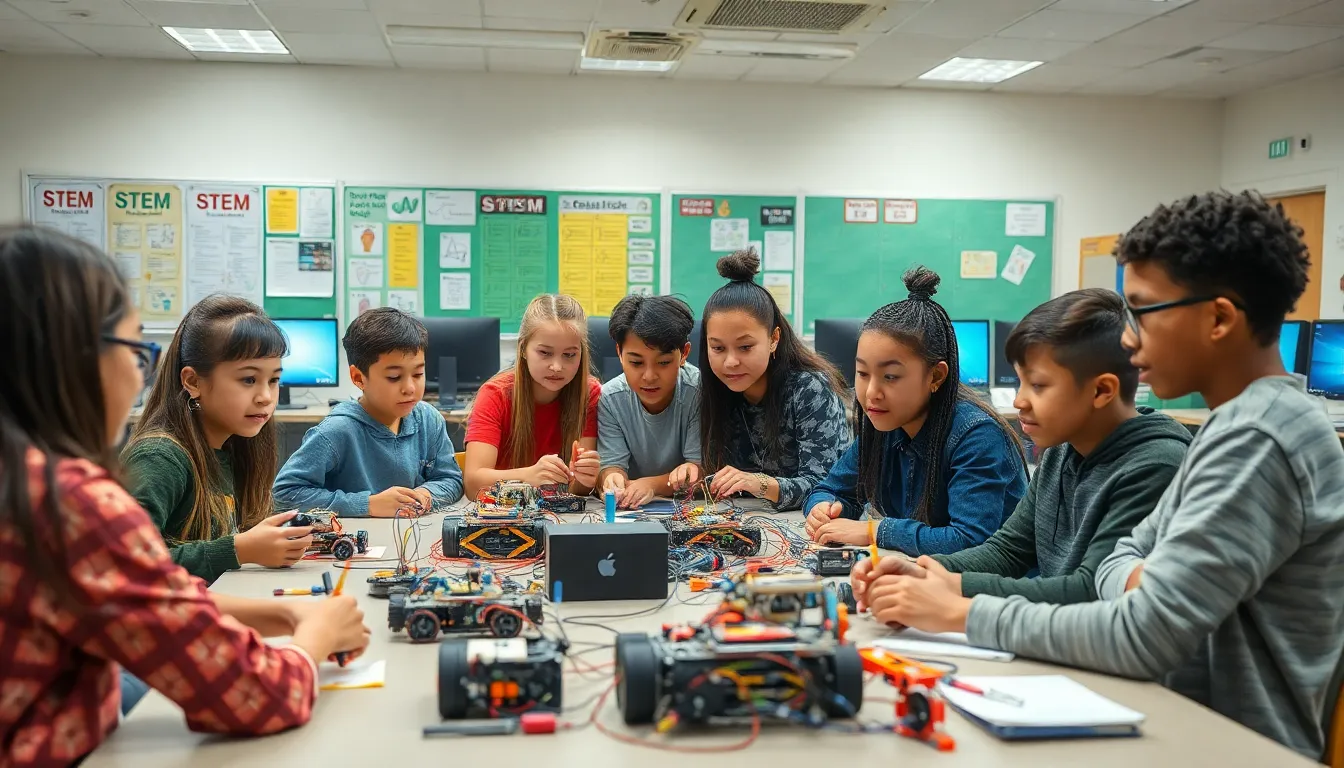
AI and robotics education plays a vital role in shaping the modern curriculum. It equips students with skills that align with the demands of a technology-driven workforce, ensuring they stay competitive and relevant.
Skill Development for Future Careers
Skill development is a cornerstone of AI and robotics education. Programs emphasize key competencies such as:
- Programming Languages: Students learn languages like Python, C++, and Java, which are essential for coding and developing software.
- Machine Learning Techniques: Exposure to algorithms and data analysis prepares students to build intelligent systems.
- Robotics Engineering: Hands-on experience with hardware and software integration fosters practical skills in building and programming robots.
By engaging in these areas, students cultivate analytical thinking and problem-solving abilities that are critical in various industries.
Encouraging STEM Engagement
Encouraging STEM engagement is crucial for inspiring the next generation of innovators. AI and robotics initiatives promote interest in science, technology, engineering, and mathematics through:
- Interactive Learning Experiences: Robotics competitions and AI projects capture student attention and stimulate creativity.
- Collaborative Projects: Group work allows students to learn from peers, fostering teamwork and communication skills.
- Industry Partnerships: Collaborations with tech companies provide insights into current industry practices and emerging technologies.
These elements create an engaging learning environment, motivating students to pursue careers in STEM fields and contributing to a skilled workforce.
Key Components of AI and Robotics Education
AI and robotics education involves several key components that prepare students for technology-driven careers. These components enhance theoretical knowledge and practical skills, aligning educational programs with industry demands.
Curriculum Design and Implementation
Curriculum design focuses on integrating theoretical principles of AI and robotics with practical applications. Programs often include foundational courses in programming languages such as Python, which is widely used in machine learning and robotics. Advanced topics cover machine learning algorithms, data analysis, and model training, providing students with in-depth knowledge. Hands-on projects are crucial, allowing students to apply concepts in real-world scenarios. A well-structured curriculum also encourages interdisciplinary learning, merging insights from computer science, engineering, and mathematics, and ensuring learners develop a comprehensive skill set.
Essential Tools and Technologies
Essential tools and technologies significantly enhance the learning experience in AI and robotics education. Students utilize platforms like Arduino and Raspberry Pi for hands-on projects, enabling them to build and program diverse robotics applications. Additionally, software tools such as TensorFlow and MATLAB facilitate machine learning and algorithm development. Simulation software, like Gazebo or Webots, provides virtual environments to test robotic systems, making experimentation safe and efficient. By engaging with these tools, students gain practical experience and technical skills essential for a successful career in the technology sector.
Challenges in AI and Robotics Education
AI and robotics education faces significant challenges that impact its effectiveness and accessibility. Understanding these challenges is crucial for developing effective educational strategies.
Accessibility and Equity Issues
Accessibility and equity in AI and robotics education remain major concerns. Students from underrepresented backgrounds often lack access to resources and opportunities. Geographic barriers hinder rural students’ ability to engage with advanced programs. Financial constraints also limit access to necessary technology, such as computers or robotics kits. Schools with fewer funds struggle to offer comprehensive STEM programs, creating disparities in education quality. Implementing targeted strategies, such as scholarships or community partnerships, can help bridge these gaps, ensuring that all students, regardless of background, can participate in AI and robotics education.
Keeping Pace with Rapid Technological Advancements
Keeping pace with rapid technological advancements presents a challenge in AI and robotics education. Technologies evolve quickly, leading to curriculum obsolescence and outdated teaching methods. Educators may lack current training in emerging technologies like machine learning or advanced robotics. Regular curriculum updates are essential for maintaining relevance in the classroom. Collaboration with industry leaders can provide educators with insights into current trends and tools, ensuring that students learn the most relevant skills. Continuous professional development for educators helps them stay informed and effectively prepare students for future careers in AI and robotics.
AI and robotics education is vital for shaping a skilled workforce prepared for the challenges of tomorrow’s technology-driven landscape. By integrating hands-on learning with theoretical knowledge, students gain essential skills that foster innovation and critical thinking.
Addressing accessibility and keeping curricula up-to-date are crucial for ensuring all students benefit from these programs. Partnerships with industry leaders and ongoing professional development for educators can bridge gaps and enhance the learning experience.
As the demand for expertise in AI and robotics continues to grow, investing in education in these fields will empower future generations to drive advancements and tackle complex problems.