






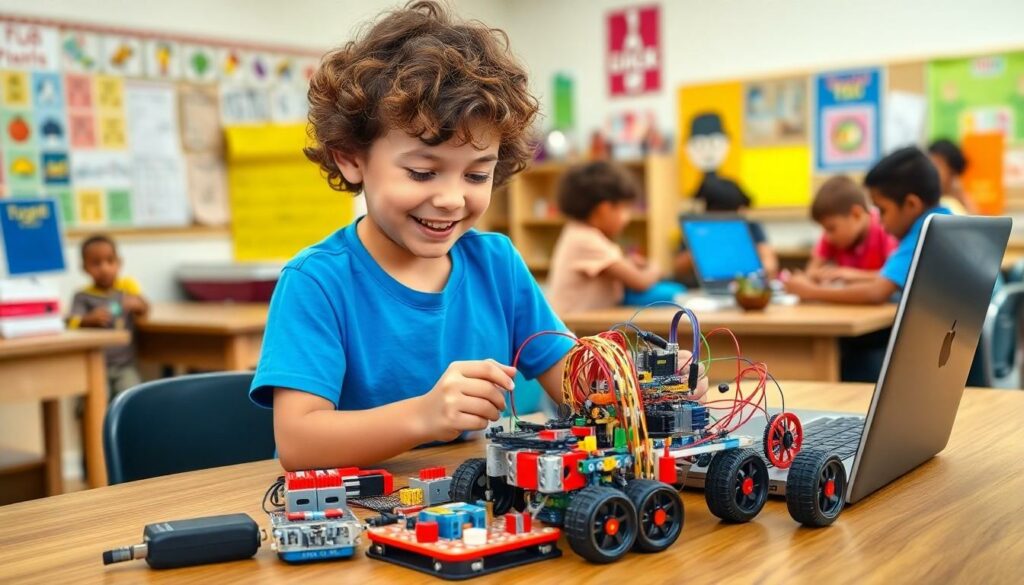
In a world where robots are no longer just the stuff of sci-fi movies, STEM robotics kits are leading the charge into a future filled with innovation and creativity. These kits are the ultimate playground for young minds, combining science, technology, engineering, and math into a hands-on experience that’s as educational as it is fun. Forget about boring textbooks; it’s time to build, code, and watch those little creations come to life!
Imagine a kid transforming into a mini-engineer, crafting their own robot sidekick that could potentially outsmart the family dog. With endless possibilities, these kits offer a unique blend of learning and laughter. Whether it’s a simple robot that dances or a complex machine that can navigate mazes, STEM robotics kits spark curiosity and inspire the inventors of tomorrow. So why not dive into this exciting world where education meets entertainment?
Overview of STEM Robotics Kits
STEM robotics kits serve as powerful tools for hands-on learning, merging concepts from science, technology, engineering, and math. Each kit often contains components such as sensors, motors, and microcontrollers, enabling children to construct and program their own robots. Specific brands offer unique features that enhance learning experiences, with options suitable for various age groups and skill levels.
Popular kits, like LEGO Mindstorms and VEX Robotics, allow users to create complex designs while developing critical problem-solving skills. Children engage in an iterative process, which includes designing, testing, and modifying their robots. This cycle fosters resilience and adaptability, essential traits for young innovators.
Additionally, these kits enhance teamwork and collaboration skills, as many projects encourage group work. Social interaction in educational settings becomes a natural part of the building process. Educators appreciate the ability of robotics kits to spark interest in STEM fields, making subjects more accessible and enjoyable.
Learning outcomes from using these kits can include improved coding skills and increased familiarity with mechanical engineering principles. Statistics show that students who engage in robotics are more likely to pursue careers in STEM, helping to bridge the skills gap in the workforce.
Through various competitions and challenges, participants can showcase their creations while learning from peers. This experience builds confidence and a sense of accomplishment, proving beneficial for personal development. Investing in STEM robotics kits ultimately lays a solid foundation for future exploration in technology and engineering.
Benefits of Using STEM Robotics Kits

STEM robotics kits offer numerous advantages that enhance children’s learning experiences. These kits provide engaging platforms for children to explore concepts in science, technology, engineering, and math.
Educational Advantages
STEM robotics kits make education interactive and captivating. Children gain insights into complex principles as they design and code their robots. Teaching begins with fundamental concepts but quickly advances to intricate problem-solving. Many kits feature step-by-step instructions, fostering independence while allowing children to work at their own pace. Educators highlight improvements in understanding STEM subjects, resulting in increased interest in future learning opportunities. Statistically, students involved in robotics show greater enthusiasm for STEM applications in real-world settings.
Skills Development
Children develop a range of skills through hands-on activities with STEM robotics kits. Critical thinking skills sharpen as they encounter design challenges. Creativity flourishes during the iterative process of testing and modifying designs. Collaboration becomes natural as many kits encourage teamwork and communication among peers. Additionally, programming skills enhance, providing familiarity with coding languages increasingly used in the tech industry. Studies indicate that early exposure to robotics nurtures skills closely tied to future career success in STEM fields.
Popular STEM Robotics Kits on the Market
Numerous STEM robotics kits capture the interest of children and educators alike, catering to varying skill levels and learning objectives. Below are some popular options.
Beginner Kits
Beginner kits introduce foundational concepts of robotics and programming. LEGO Boost combines building and coding, allows creative expression, and includes interactive tasks. Another option, Botley 2.0, offers screen-free coding, encourages critical thinking, and engages younger children with fun challenges. Wonder Workshop’s Dash robot teaches basic coding concepts through a user-friendly app, making it appealing for kids. Each of these kits promotes engagement and lays groundwork for future exploration in STEM.
Advanced Kits
Advanced kits appeal to more experienced learners ready for complex creations. VEX Robotics offers sophisticated building systems, allowing users to design versatile robots. Their VEX IQ kit emphasizes teamwork, critical problem-solving ability, and coding proficiency. Additionally, the LEGO Mindstorms EV3 kit enables in-depth programming capabilities with sensors and motors, fostering innovation. The Makeblock mBot provides a customizable platform that encourages creativity and collaboration among peers. Each advanced kit challenges students and nurtures their passion for technology and engineering.
Key Features to Consider
Selecting the right STEM robotics kit involves evaluating key features that enhance the learning experience. Important aspects such as build quality and programming options influence how effectively students engage with the product.
Build Quality
Build quality plays a crucial role in durability and usability. Sturdy materials ensure that components withstand frequent assembly and disassembly. Kits featuring a diverse range of parts encourage creativity and experimentation, allowing students to tackle various projects. Robust designs help facilitate hands-on activities without fear of breakage. Assessing the quality of connectors, motors, and sensors aids in understanding long-term usability. User feedback often highlights the importance of design integrity, as kits that maintain consistent performance elevate the learning experience.
Programming Options
Programming options determine how students interact with their robots. Kits that offer multiple programming languages, such as block coding or text-based languages, cater to different skill levels. Intuitive interfaces simplify the learning curve, making it easier for beginners to grasp core concepts. Advanced kits often include extensive libraries and code examples, enabling deeper exploration of programming. Flexibility in programming fosters creativity, empowering learners to experiment with unique designs. Educational platforms associated with robotics kits often provide online resources, enhancing students’ coding abilities and reinforcing their understanding of computer science.
How to Choose the Right Kit
Selecting the right STEM robotics kit involves several key considerations. First, assess the skill level of the child. Beginner kits like LEGO Boost and Botley 2.0 suit younger users, providing foundational concepts and engaging learning experiences. For more experienced learners, advanced options such as VEX Robotics and LEGO Mindstorms EV3 offer complex building systems and programming challenges.
Next, consider the educational objectives. Kits that align with specific learning goals enhance the overall experience. For example, children focusing on coding may benefit from kits with extensive programming options, while those interested in mechanical engineering may prefer kits that emphasize build quality and design flexibility.
Evaluate the components included in each kit. A wider range of parts encourages creativity and experimentation, crucial for developing problem-solving skills. High-quality material enhances durability, allowing frequent assembly and disassembly without easily breaking.
Examine programming flexibility as well. Kits offering multiple languages accommodate varying skill levels, making the learning curve less steep. User-friendly interfaces and extensive libraries enable learners to explore and customize their projects effectively.
Finally, check for supportive learning resources. Kits that provide tutorials or project ideas facilitate a smoother transition into robotics, helping children to grasp concepts quickly. By prioritizing these factors, selecting the right STEM robotics kit becomes a streamlined process, ensuring not only that the kit matches the child’s interests and abilities but also maximizes their educational experience.
Conclusion
STEM robotics kits are invaluable tools that ignite children’s passion for learning and innovation. By blending play with education these kits not only cultivate essential skills but also inspire a lifelong interest in STEM fields. The hands-on experience encourages creativity critical thinking and collaboration while preparing young minds for future challenges.
As technology continues to evolve the importance of fostering these skills cannot be overstated. Investing in the right robotics kit tailored to a child’s interests and abilities sets the stage for exciting exploration and discovery. With numerous options available parents and educators can guide children on a rewarding journey through the world of robotics.