






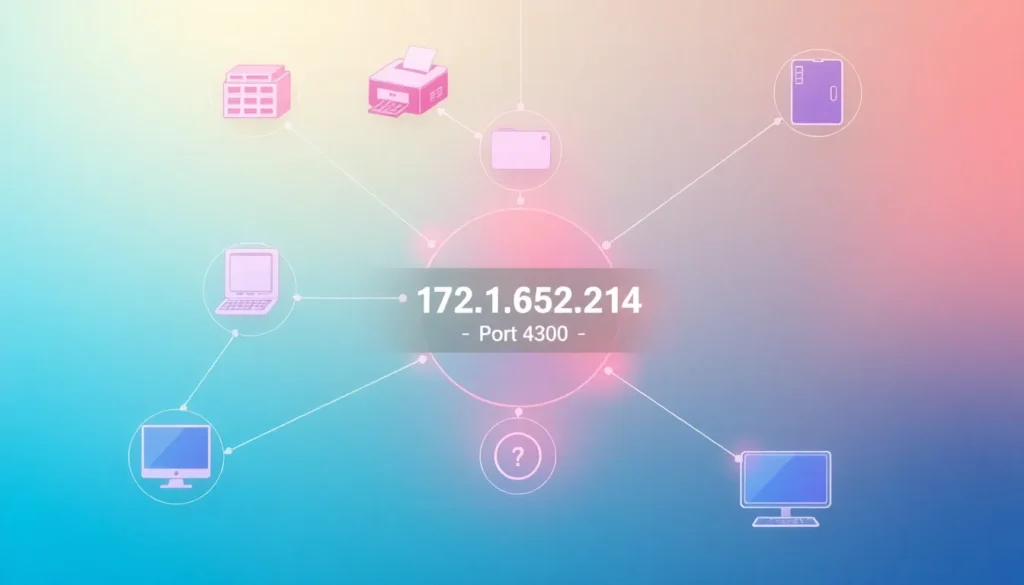
In the vast world of networking, IP addresses often feel like the unsung heroes of technology. Take 172.16.252.214;4300 for example. It might look like a random string of numbers and letters, but this little gem holds the key to unlocking a treasure trove of information. Whether it’s for troubleshooting, security, or simply impressing friends at the next tech meetup, understanding this IP address can elevate anyone’s tech game.
Overview of 172.16.252.214;4300
The IP address 172.16.252.214;4300 is a part of the private IP address range defined by RFC 1918. This specific address falls within the Class B category, which accommodates numerous devices on a local network without being exposed to the public internet.
Notably, the port number 4300 indicates that this IP address is associated with a specific service or application. Using this combination, systems can communicate efficiently for various purposes, including data transfer and application interactions.
Hosts using this IP address benefit from a secure environment. Since private IPs cannot be routed on the internet, they provide an additional layer of security against external threats. Devices within local networks utilize such addresses for seamless communication while maintaining internal privacy.
Identifying this particular IP address and port combination can aid in troubleshooting network issues. When network administrators encounter connectivity problems, they may analyze traffic involving this address to ensure optimal performance. Adopting a systematic approach helps pinpoint configurations that may require adjustment.
Services utilizing port 4300 may vary significantly. Examples include application-specific communications or protocols requiring designated data transfers. Understanding the context of this IP address and its usage scenarios enhances overall network management and leads to better decision-making.
172.16.252.214;4300 serves as a valuable reference point in private networking. Prioritizing knowledge about such addresses empowers IT professionals and tech enthusiasts alike to optimize performance and security within their networks.
Technical Specifications
Understanding the technical specifications of the IP address 172.16.252.214;4300 enhances clarity in network management. This address works within a private range, specifically defined in RFC 1918, which limits its visibility to external networks.
IP Address Details
The IP address 172.16.252.214 falls into the Class B category and serves a significant role in local networking. Notably, devices on the same local network can communicate freely without risking exposure to public internet pathways. This inherent privacy fosters a secure environment, allowing for safe data transfer among connected devices. Network administrators often assign such addresses to DHCP configurations, enabling dynamic IP allocation for easy access. Understanding these characteristics aids troubleshooting efforts and enables better network performance management.
Port Information
Port 4300, associated with the IP address, facilitates designated services or applications. Various software applications can utilize this port for communication, showcasing its importance in the overall network infrastructure. Network traffic directed to this port may derive from internal applications, signaling efficient data transfer among systems. Additionally, port-based analysis allows administrators to monitor specific services related to this address, enhancing security measures. Knowledge of the services leveraging port 4300 can lead to optimized configurations and improved network operations.
Use Cases for 172.16.252.214;4300
The IP address 172.16.252.214;4300 presents several practical applications in networking and security.
Networking Scenarios
Connections within a local area network (LAN) often utilize this private IP address for device communication. Devices linked to this IP can efficiently exchange data without exposing any information to the public internet, ensuring privacy. Assigning this address within a Dynamic Host Configuration Protocol (DHCP) setup simplifies the management of a growing network. Assigning a consistent address enhances stability and reduces conflicts. In complex topology structures, it aids in maintaining organized data flow and access to resources. Network printers, file servers, and other local devices typically rely on such addresses to maintain seamless operations. Monitoring traffic through port 4300 can reveal necessary insights regarding bandwidth usage and data exchange behavior.
Security Applications
Security monitoring frequently incorporates this IP address to safeguard network integrity. Firewalls and intrusion detection systems benefit from tracking traffic directed at port 4300. Admins can define specific rules to control access based on this information, enhancing overall security. Utilizing this address can also assist in identifying unauthorized devices that may attempt to connect to the network. Analyzing logs associated with this IP reveals potential security breaches or vulnerabilities. Regularly auditing services bound to port 4300 aids in recognizing unusual patterns that could indicate security threats. Such practices contribute to a proactive security posture for organizations leveraging this address.
Potential Issues and Solutions
Understanding potential problems related to the IP address 172.16.252.214;4300 can simplify troubleshooting efforts. Network connectivity issues often arise, stemming from incorrect configurations or conflicts within the local area network. Device communication may fail due to network congestion, causing latency or dropped connections. Security vulnerabilities might develop if there isn’t adequate monitoring, exposing the network to unauthorized access. Regular audits of logs could uncover these issues, helping to maintain network integrity.
Common Problems
Common issues with the IP address 172.16.252.214;4300 include IP address conflicts, which occur when two devices attempt to use the same address. Configuration errors can also disrupt communication, especially if DHCP settings aren’t properly aligned. Latency issues often surface due to high traffic on port 4300, leading to slow response times for applications. Unauthorized access attempts might signify security weaknesses, necessitating stricter firewall rules. These challenges may hinder desired network performance and security.
Troubleshooting Steps
Identifying problems starts with checking device configurations to ensure proper IP address assignment. Reviewing DHCP settings is essential for eliminating conflicts, as it allows for effective dynamic allocation. Inspecting traffic patterns on port 4300 provides insight into bandwidth usage, helping to spot potential congestion issues. Implementing firewall rules can enhance security by restricting unauthorized access attempts. Regularly analyzing logs associated with the IP address can reveal patterns, aiding in recognizing vulnerabilities and enhancing the overall security posture.
Understanding the intricacies of the IP address 172.16.252.214;4300 is key for anyone involved in network management or security. This private IP address plays a vital role in facilitating communication within local networks while ensuring privacy and security.
By effectively utilizing port 4300, network administrators can optimize data transfer and monitor traffic patterns, enhancing overall network performance. Awareness of potential issues related to this address can streamline troubleshooting efforts and bolster security measures.
Equipped with this knowledge, IT professionals and tech enthusiasts can confidently navigate the complexities of networking, ensuring efficient operations and robust security protocols.