






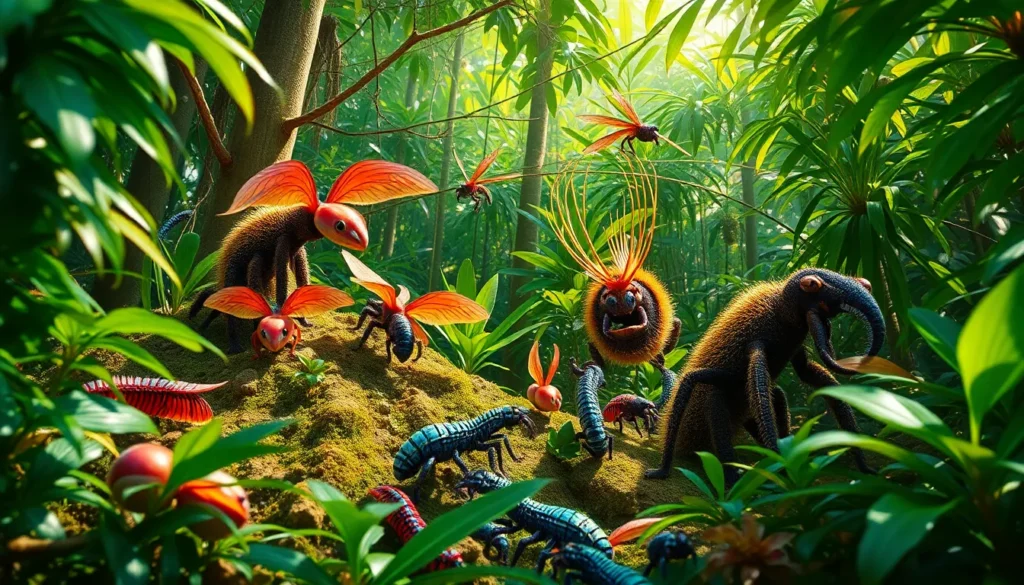
In a world overflowing with quirky terms and oddball concepts, “pertostrums” stands out like a unicorn at a horse race. You might be wondering what on earth a pertostrum is, and that’s exactly the point. This fascinating phenomenon is not just a buzzword; it’s a gateway to understanding a unique blend of science and creativity that’s taken various fields by storm.
Overview of Pertostrums
Pertostrums represent a fusion of scientific principles and creative exploration. This concept encompasses various dimensions, influencing fields such as technology, art, and education. The uniqueness of pertostrums lies in their ability to bridge gaps, encouraging innovative thinking.
Various disciplines benefit from the application of pertostrums. In technology, for instance, they inspire new solutions and methodologies, enhancing product development. Art also finds a new perspective through pertostrums, inviting artists to express complex ideas in simplified forms.
Pertostrums challenge conventional boundaries and promote interdisciplinary collaboration. They serve as tools for understanding intricate systems, leading to improved problem-solving capabilities. This multifaceted approach facilitates deeper insights into both familiar and abstract notions.
Emerging studies indicate that engaging with pertostrums fosters critical thinking skills. Scholars recognize their potential to stimulate creativity while addressing real-world challenges. Many recognize that embracing pertostrums can lead to groundbreaking advancements across multiple sectors.
Through examples in different arenas, the relevance of pertostrums becomes evident. Designers incorporate these principles into user experience, crafting intuitive interfaces. Educators utilize pertostrums to inspire students, cultivating an innovative mindset. Understanding pertostrums equips individuals and organizations with strategies to navigate a rapidly changing environment.
Characteristics of Pertostrums
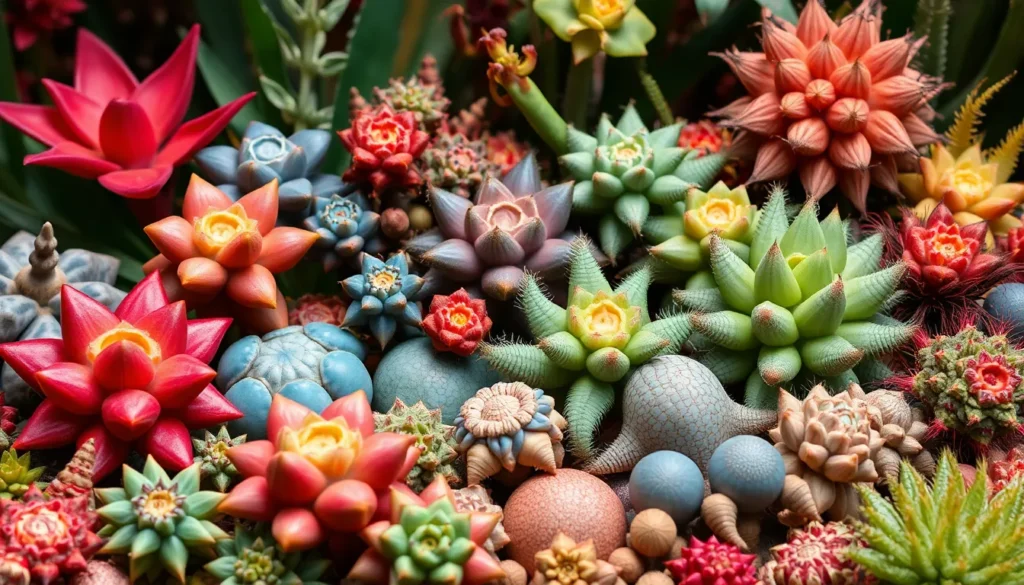
Pertostrums showcase distinct characteristics that make them noteworthy in various fields. Their unique attributes include physical features and behavioral patterns.
Physical Features
Pertostrums exhibit a range of physical attributes that vary among types. Color variations emerge, with hues including vibrant reds, deep blues, and earthy greens. Shapes also differ, presenting items with angular, rounded, or fluid designs. Size ranges from small, handheld forms to larger structures that can dominate a space. Textures play a role; some surfaces are smooth, while others provide a tactile experience that invites touch. Unique materials contribute to their distinct appearances, including organic components and synthetic elements. These physical features collectively enhance their functionality within diverse contexts.
Behavioral Patterns
Behavioral patterns of pertostrums reveal how they interact with their environments. They often adapt to changes, demonstrating flexibility in both form and function. Response to stimuli varies, with some exhibiting rapid reactions while others take a more deliberate approach. Social interactions might include collaboration or competition, influencing how they operate within groups. Energy efficiency remains a hallmark; many pertostrums optimize resource use to function sustainably. Communication methods can range from visual signals to subtle shifts in posture, allowing for interaction with surrounding entities. These patterns foster relationships and enhance effectiveness in achieving goals across applications.
Habitat and Distribution
Pertostrums inhabit diverse environments across the globe. Their unique adaptations allow them to thrive in varied ecological settings.
Geographic Range
Pertostrums are found in numerous regions worldwide. They predominantly occupy tropical and temperate zones. Specific populations reside in forested areas, coastal wetlands, and urban landscapes. Their flexibility enables them to colonize new habitats quickly. For instance, studies report sightings in over 30 countries, from Brazil’s rainforests to urban parks in Europe. The ability to adapt has led to their presence across multiple ecosystems.
Environmental Preferences
Environmental factors significantly influence pertostrums’ habitat choices. They prefer moderate temperatures and humidity levels, typically ranging from 60°F to 80°F. Favorable environments often include areas with abundant resources, such as food sources and shelter. Light exposure plays a crucial role; pertostrums tend to inhabit regions receiving partial sunlight, which supports their growth and social interactions. Water availability also impacts their distribution, leading them to thrive near freshwater sources. Understanding these preferences enhances insights into their ecological roles and interactions.
Importance of Pertostrums
Understanding pertostrums significantly enhances appreciation for their multifaceted roles in various domains. Their influence extends to the ecological balance and cultural expressions.
Role in Ecosystems
Pertostrums play a vital role in ecosystems by contributing to biodiversity. These organisms often serve as indicators of environmental health, signaling shifts in their habitats. They support other species through their interactions, whether by providing food sources or stimulating pollination processes. Pertostrums adapt to varying conditions, enabling them to thrive in diverse environments. Their flexibility helps maintain ecological stability. Communities that include pertostrums exhibit greater resilience to environmental changes. Ultimately, their presence fosters a balanced ecosystem, facilitating natural processes essential for sustainability.
Cultural Significance
Pertostrums also hold cultural significance across different societies. Artists often draw inspiration from their unique features, reflecting creativity and innovation. Many cultural practices incorporate pertostrums, showcasing traditional knowledge and artistic expressions. Festivals may honor these organisms, celebrating their contributions to community identity. Researchers frequently study pertostrums to explore connections between nature and human experience. These investigations highlight the importance of preserving cultural heritage while encouraging environmental stewardship. Overall, pertostrums enrich cultural narratives, offering insights into the relationship between humanity and the natural world.
Pertostrums stand out as a remarkable fusion of science and creativity. Their ability to adapt and thrive in various environments illustrates their resilience and significance in both ecological and cultural contexts. By inspiring innovative thinking and fostering interdisciplinary collaboration, pertostrums play a crucial role in advancing technology and enriching artistic expression.
As individuals and organizations engage with this unique concept, they unlock new strategies for navigating a rapidly changing world. The insights gained from studying pertostrums not only enhance critical thinking but also promote a deeper appreciation for the interconnectedness of nature and humanity. Embracing the lessons of pertostrums can lead to transformative experiences across multiple domains.