






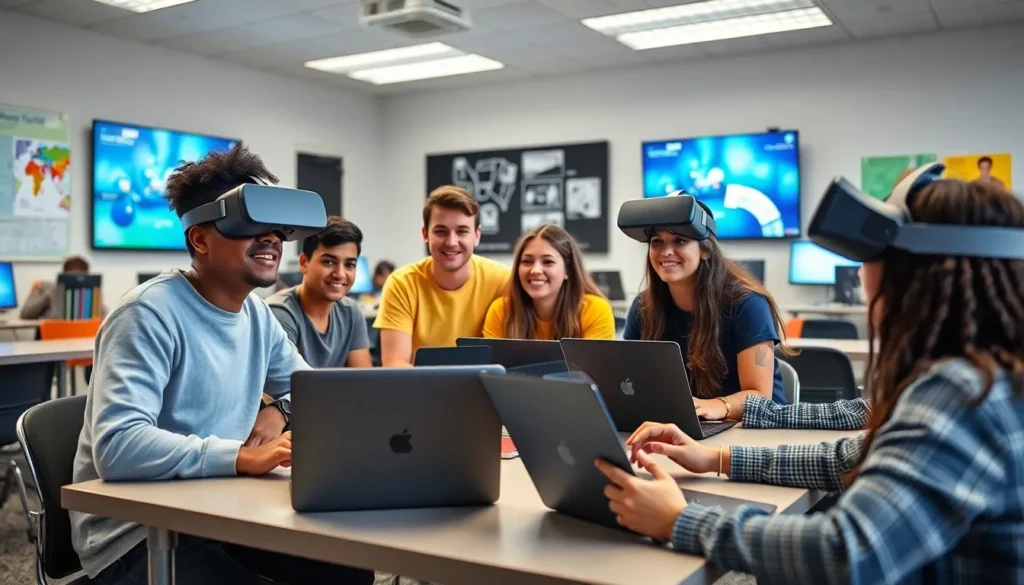
In today’s fast-paced world, education technology, or edtech, is transforming how students learn and teachers instruct. Innovative tools and platforms are reshaping classrooms, making learning more interactive and accessible than ever. From virtual reality experiences to AI-driven personalized learning, these advancements are not just enhancing educational outcomes but also engaging students in ways traditional methods can’t.
As schools and universities embrace these technologies, the potential for improved educational experiences continues to grow. With the rise of remote learning and digital resources, educators are finding new ways to connect with students and foster collaboration. This article explores the latest edtech innovations that are revolutionizing education, highlighting their impact on teaching and learning in the 21st century.
Overview of Edtech Innovations
Edtech innovations represent a pivotal shift in educational methodologies. These advancements include various technological tools and platforms designed to improve learning outcomes. Virtual reality (VR) enhances immersion in subjects like history or science, allowing students to experience dynamic environments. Augmented reality (AR), on the other hand, overlays digital information onto real-world settings, enriching learning experiences.
Artificial intelligence (AI) plays a crucial role in personalizing education. AI-driven systems analyze student performance data to tailor learning paths, ensuring that individuals receive the support they require. Learning management systems (LMS) facilitate the organization of courses and resources, promoting efficient communication between educators and students.
Gamification introduces game-like elements to the learning process. Features like scoring, leaderboards, and rewards motivate students to engage more fully with their studies. This approach not only increases participation but also fosters a sense of accomplishment.
Data analytics in education allows institutions to monitor progress and adapt teaching strategies. By evaluating students’ learning patterns, educators can identify areas needing improvement and make informed decisions about curriculum adjustments.
Moreover, mobile learning has gained traction, enabling learners to access educational content anytime, anywhere through smartphones and tablets. This flexibility supports various learning styles and schedules, making education more inclusive.
As the integration of these innovations continues, the educational landscape evolves, shaping the future of learning and teaching in unprecedented ways.
Key Technologies Driving Edtech
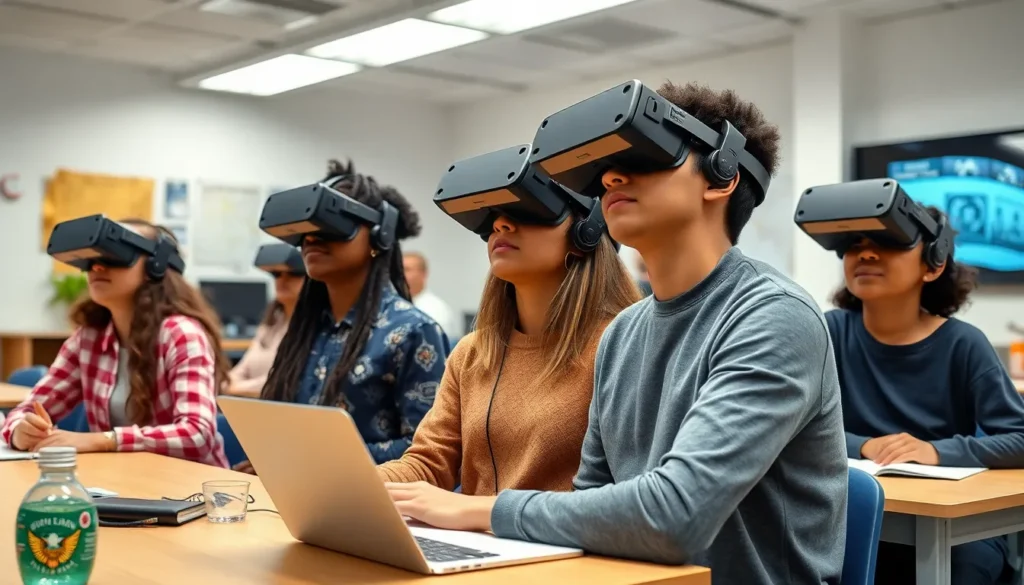
Education technology thrives on various key technologies that enhance learning experiences and outcomes. These innovations revolutionize how students and educators interact, making education more effective and accessible.
Artificial Intelligence in Education
Artificial intelligence (AI) transforms education by delivering personalized learning experiences. AI analyzes vast amounts of student performance data, identifying strengths and weaknesses. It informs tailored learning paths, ensuring each learner progresses at their own pace. AI-powered tools like chatbots provide instant support, answering student queries outside classroom hours. Additionally, predictive analytics facilitate early intervention, enabling educators to address academic challenges before they escalate, thereby fostering a proactive learning environment.
Virtual Reality and Augmented Reality
Virtual reality (VR) and augmented reality (AR) redefine immersive learning in education. VR allows students to engage in simulated environments, exploring concepts through hands-on experiences that deepen understanding. For instance, students can walk through historical landmarks or participate in virtual science experiments that enhance retention. AR overlays digital content within real-world settings, enriching the learning experience by adding interactive elements. Both technologies cater to various learning styles, promoting engagement and encouraging collaborative exploration among students. As VR and AR become more integrated into curricula, they bring subjects to life, bridging the gap between theoretical knowledge and practical application.
Impact on Learning Outcomes
Edtech innovations significantly enhance learning outcomes by tailoring experiences to individual needs and improving access to education. By leveraging technology, educators can create immersive and effective learning environments.
Personalized Learning Experiences
Personalized learning experiences allow education to adapt to each student’s unique needs. AI algorithms analyze performance data, enabling customized learning paths that identify strengths and weaknesses. Adaptive learning platforms adjust content delivery in real-time, ensuring students engage with material suited to their comprehension levels. Examples include platforms that offer quiz-based assessments to adapt subsequent lessons based on individual performance.
Accessibility and Inclusivity
Accessibility and inclusivity are crucial components of modern education. Edtech facilitates access for learners with diverse needs through features like text-to-speech software, closed captioning, and mobile-friendly applications. Virtual classrooms create flexible learning environments where students can participate regardless of physical location. Innovations such as AR provide diverse learners with enhanced interaction, making difficult concepts more relatable. As a result, institutions can reach a broader audience, including students with disabilities, ensuring equitable educational opportunities for all.
Challenges in Edtech Innovations
Edtech innovations face significant challenges that can hinder their effective implementation and adoption in educational settings.
Data Privacy and Security Concerns
Data privacy and security concerns pose a major challenge for edtech adoption. Educational institutions collect sensitive information from students, including personal identification and academic records. With the increase in cyberattacks targeting educational data, schools must implement robust security measures to protect this information. Compliance with regulations, such as the Family Educational Rights and Privacy Act (FERPA), ensures that student data remains confidential. Schools should evaluate edtech solutions for their security protocols and data handling practices, thereby mitigating potential risks associated with data breaches.
Resistance to Change in Traditional Schools
Resistance to change in traditional schools often obstructs the integration of edtech. Educators and administrators may be hesitant to adopt new technologies due to concerns about training and the effectiveness of digital tools. Additionally, existing curricula and teaching methodologies may not align with innovative technologies. Professional development programs can equip educators with the skills necessary to integrate edtech, fostering a culture of innovation. Schools that prioritize collaboration and gradual implementation of new tools can address resistance and enhance educational outcomes.
Future Trends in Edtech
Emerging trends in edtech promise to reshape learning environments by leveraging cutting-edge technologies.
- Artificial Intelligence Expansion
Artificial intelligence will continue to enhance personalized learning experiences. AI algorithms will analyze vast amounts of student data, adjusting learning paths in real-time. This evolution will allow educators to provide tailored support, increasing retention and engagement rates.
- Augmented and Virtual Reality Growth
Augmented reality and virtual reality will expand in educational applications, offering immersive learning experiences. AR will overlay digital elements on physical environments, making complex subjects more relatable. VR will transport students to different historical periods or scientific phenomena, enriching their understanding.
- Adaptive Learning Platforms
Adaptive learning systems will become more prevalent, adjusting content based on individual learner progress. These platforms will help identify gaps in knowledge and deliver targeted resources, ensuring students receive the support they need.
- Increased Gamification
Gamification strategies will gain traction, integrating game elements into education to motivate students. Features like point systems, rewards, and interactive challenges will foster engagement and encourage healthy competition among learners.
- Mobile Learning Integration
Mobile learning will advance further, allowing educational content to reach students on their devices anytime and anywhere. This flexibility promotes accessibility and supports diverse learning styles, catering to the needs of a mobile-first generation.
- Data-Driven Decision Making
Institutions will increasingly rely on data analytics to inform policy and instructional strategies. By monitoring student progress and performance metrics, educators can make informed decisions to improve educational outcomes.
- Enhanced Collaboration Tools
Collaboration tools will evolve, promoting communication and teamwork among students and educators. Innovations in online platforms will facilitate group projects, peer engagement, and real-time feedback, creating a more connected learning community.
These trends indicate that the landscape of education technology is rapidly advancing, with innovative solutions poised to enhance learning experiences and improve educational quality.
Edtech innovations are reshaping the educational landscape by making learning more engaging and accessible. The integration of tools like AI and VR is not just enhancing student experiences but also addressing individual learning needs effectively. While challenges such as data privacy and resistance to change exist, the potential benefits far outweigh these obstacles.
As educators and institutions continue to embrace these technologies, the focus on personalized and inclusive learning will only grow stronger. The future of education looks promising with ongoing advancements in edtech that promise to improve learning outcomes and foster collaboration among students and educators alike. The journey towards a more innovative educational environment is just beginning.