







When it comes to well water, many folks think they’re sipping straight from nature’s finest. But let’s be real—what’s lurking in that glass might not be as refreshing as it seems. From pesky sediments to potential contaminants, well water can sometimes feel more like a game of “guess what’s in my drink.” That’s where water filters come in, swooping in like superheroes to save the day.
Investing in a quality water filter for well water systems isn’t just smart; it’s essential. With the right filter, homeowners can enjoy crystal-clear water that’s not just safe but also tastes delicious. So why take chances with your health? Dive into the world of water filters and discover how they can transform your well water from questionable to quenching. After all, a little filtration goes a long way in keeping that H2O both clean and refreshing.
Overview of Water Filters for Well Water Systems
Water filters for well water systems play a crucial role in improving water quality. Sediments, bacteria, and harmful chemicals often pollute well water, making filtration essential for safety and taste. Different types of filters address specific contaminants, thus enhancing overall water purity.
Activated carbon filters effectively remove chlorine, volatile organic compounds (VOCs), and unpleasant odors. These filters enhance taste and reduce harmful substances. Reverse osmosis systems provide a higher purification level, targeting dissolved solids, nitrates, and heavy metals. Homeowners frequently choose this method for comprehensive filtration.
Ceramic filters serve as another reliable option. They filter out bacteria and sediments through small pores, ensuring clean drinking water. Additionally, UV filters inactivate bacteria and viruses by using ultraviolet light, making them a suitable complementary option for broader purification.
Choosing the right system involves analyzing well water characteristics. Testing for contaminants like iron, sulfur, or bacteria helps identify the appropriate filter type. Homeowners save on repair costs by preventing equipment damage caused by sediment and minerals.
Installation and maintenance of water filters also require careful consideration. Some systems need professional installation, while others can be DIY-friendly. Regular maintenance ensures filters continue functioning effectively, providing safe, clean water.
With a wide array of choices available, homeowners can select filters according to specific needs. Assessing local water quality ensures the implementation of an effective water filtration system. Water filters for well water systems transform a potential hazard into a reliable source of hydration.
Types of Water Filters
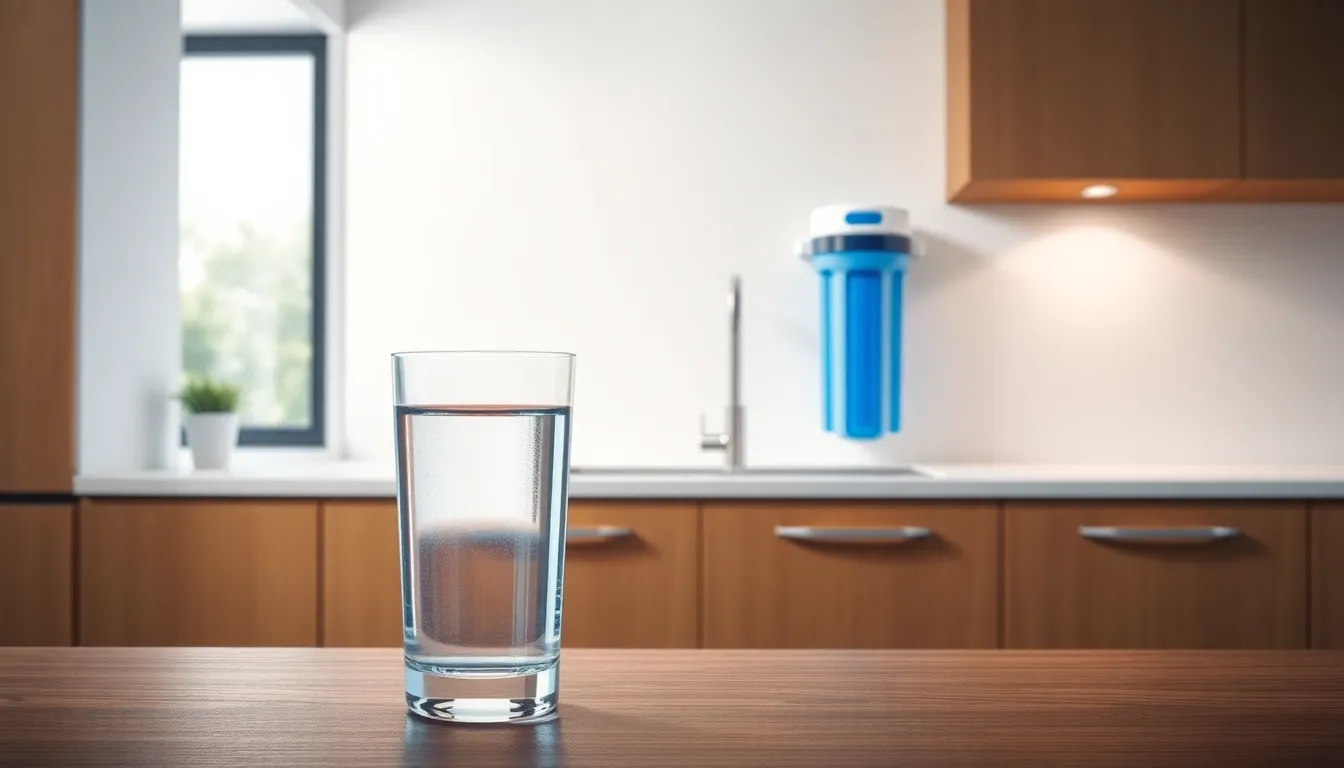
Different types of water filters enhance the quality of well water, addressing specific contaminants. Homeowners can select the right filter based on their water needs.
Activated Carbon Filters
Activated carbon filters excel at removing chlorine and unpleasant odors from water. Their porous surface captures contaminants, making water taste better. Many homeowners appreciate their cost-effectiveness and easy installation. This filter type is especially beneficial for those with municipal water as well. Regular replacement of the carbon is essential to maintain filtering efficiency.
Reverse Osmosis Systems
Reverse osmosis systems provide comprehensive purification, targeting dissolved solids and heavy metals. During the filtration process, water passes through a semi-permeable membrane, ensuring impurities are left behind. Homeowners with high levels of contaminants often prefer this method. Regular maintenance is critical, as membrane performance can diminish over time if not cared for properly. Such systems represent a reliable option for safe drinking water.
UV Water Purifiers
UV water purifiers utilize ultraviolet light to eliminate bacteria, viruses, and other pathogens. This method offers a chemical-free solution, ensuring water safety without adding anything harmful. Homeowners value UV systems for their effectiveness and low maintenance requirements. Regular bulb replacement ensures optimal performance while providing peace of mind regarding water safety. Such systems can complement other filtration methods for added protection.
Importance of Water Filtration
Water filtration plays a crucial role in ensuring the safety and quality of well water. Contaminants in well water can pose health risks, making filtration vital for clean drinking water.
Health Benefits
Drinking filtered well water significantly lowers the risk of health issues. Pathogens, chemicals, and sediments can harm human health. Activated carbon filters capture harmful substances, promoting better health. Well-maintained filtration systems also prevent gastrointestinal illnesses linked to contaminated water. Studies show that filtration can reduce exposure to harmful heavy metals, such as lead and mercury, which are associated with serious health concerns.
Improving Water Quality
Water filters enhance the overall quality of well water. They remove unpleasant odors and tastes, making hydration more enjoyable. Reverse osmosis systems effectively eliminate dissolved solids, improving clarity and taste. Ceramic filters efficiently target bacteria, ensuring safe drinking water. Regularly testing well water ensures that filtration systems address specific contaminants. Homeowners notice a marked difference in the quality of their water after installing an appropriate filtration system. This transformation encourages regular hydration and better overall health.
Choosing the Right Water Filter
Selecting the right water filter for well water systems hinges on understanding specific contaminants present in the water. Proper evaluation ensures the chosen system effectively targets these issues.
Assessing Water Contaminants
Testing well water is essential to identify specific contaminants. Common pollutants include bacteria, nitrates, and heavy metals like lead and arsenic. Homeowners should utilize certified labs for accurate testing results. Identifying the contaminant types helps in determining the most suitable filtration solution. For instance, if bacteria rates are elevated, UV filters must be prioritized due to their effectiveness in eliminating pathogens. In contrast, high levels of sediments may require mechanical filtration methods for effective removal.
Filter Capacity and Maintenance
Evaluating the filter’s capacity is vital for maintaining optimal performance. Filters have varying flow rates and lifespan based on usage, which influences their effectiveness. Homeowners must consider water consumption needs when choosing a filter. Regular maintenance is crucial for ensuring filters operate at peak efficiency. Many systems require cartridge replacement every six months to two years, depending on the amount of water filtered and contaminant levels. Neglecting maintenance can lead to decreased water quality and filter failure, making consistent upkeep important.
Top Water Filters for Well Water Systems
Choosing the right water filter can significantly enhance the quality of well water. Various filters excel in addressing specific needs, making comparisons essential.
Product Reviews and Comparisons
The Berkey Water Filter tops the list for its gravity-fed design and ability to remove bacteria and heavy metals. This filter suits households with moderate water usage and requires no electricity, making it convenient during power outages.
Aquasana Whole House Filter stands out for its comprehensive filtration capabilities. It effectively eliminates chlorine, sediment, and other contaminants, ensuring clean water throughout the home. Regular filter replacements extend its lifespan.
iSpring Reverse Osmosis System receives praise for its robust purification process. Designed specifically for homes with high contaminant levels, it tackles dissolved solids and metals but necessitates ongoing maintenance for optimal operation.
Aqua Ultraviolet Water Purifier efficiently kills pathogens without chemicals. Its low maintenance and effectiveness against bacteria make it ideal for homeowners focused on chemical-free solutions.
Evaluating these options based on specific water quality tests can help homeowners determine the best fit for their situation. Each product addresses different concerns, ensuring well water remains safe and enjoyable.
Investing in a quality water filter for well water systems is essential for ensuring safe and enjoyable hydration. Homeowners can significantly improve their water quality by selecting the right filtration system tailored to their specific needs. Regular testing and maintenance are crucial steps in this process, as they help identify contaminants and ensure filters operate at peak performance.
With various options available from activated carbon to reverse osmosis and UV purifiers, finding the most suitable solution can transform potentially hazardous well water into a reliable source of clean drinking water. By prioritizing water filtration, homeowners can safeguard their health and enhance their overall quality of life.