






Table of Contents
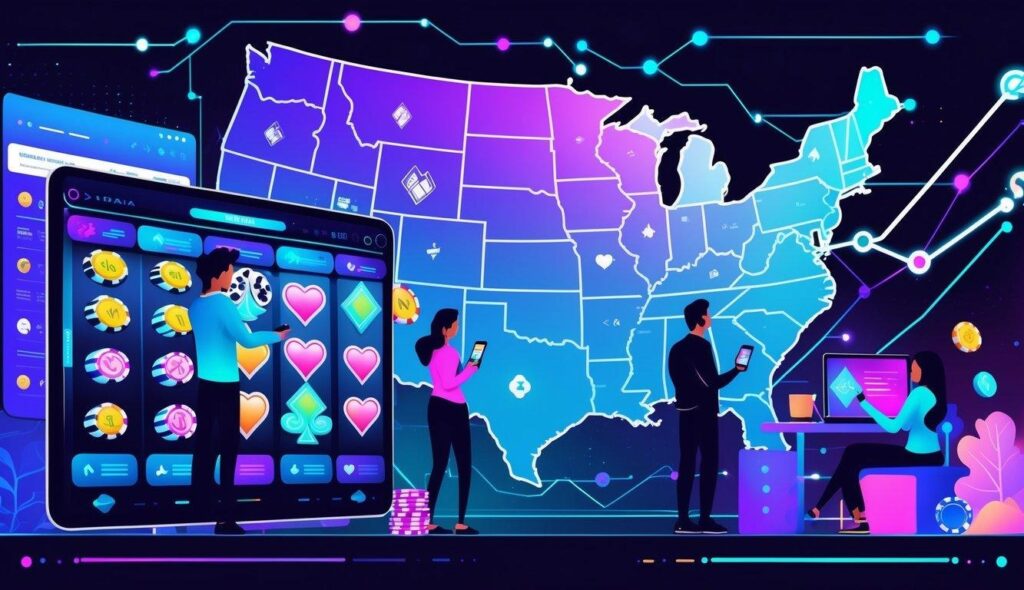
ToggleThe digital casino industry in the United States has transformed into a multi-billion dollar market, with gambling spend reaching $172 billion in 2024. Mobile platforms, advanced technology, and state-by-state legalization are reshaping how Americans engage with casino entertainment. The U.S. online casino market is projected to grow from $7.53 billion in 2025 to $13.07 billion by 2030, representing a compound annual growth rate of 11.7%.
This expansion is driven by more than just consumer demand. You’re witnessing a shift in how media companies, broadcasters, and technology providers approach the casino space. Strategic partnerships, mobile optimization, and immersive gaming experiences are becoming essential components of market success.
Understanding the trends and competitive forces shaping this industry will help you grasp where digital casino media is headed. The market’s evolution depends on technological innovation, regulatory developments, and changing player preferences across different states and platforms.
Key Trends Shaping Digital Casino Media Growth
The expansion of digital casino media across the United States stems from regulatory changes at the state level, technological improvements in platform accessibility, and the diversification of gaming products that appeal to different player segments. These factors work together to create new market opportunities and increase player participation.
Impact of State-Level Legalization on Market Expansion
State-level legalization drives geographic expansion of online casino and sports betting markets. New Jersey pioneered legal online gambling in 2013, establishing a model that Pennsylvania and Michigan later adopted. These states now represent major revenue centers for digital casino operations.
The legalization of online gambling varies significantly across U.S. regions. The Northeast and Midwest have shown the most regulatory progress, with multiple states authorizing igaming. States in the South and West remain more restrictive, though some are considering legislation.
Each state that legalizes online casinos creates a contained market with specific regulatory requirements. Operators must obtain licenses in individual states and comply with local oversight. This state-by-state approach means market access depends on legislative action rather than federal policy.
The timing of legalization directly impacts market size. States that authorized online gambling earlier have developed more mature markets with established player bases and higher revenue generation.
Online Casino Arkansas and State-Level Market Expansion
State-level legalization drives geographic expansion of online casino and sports betting markets. Developments within online casino Arkansas environments reflect how local regulation influences licensing, payment access, and platform availability.
Each jurisdiction creates its own controlled ecosystem where operators must meet specific compliance standards. This includes adapting to state-defined payment rules, identity verification requirements, and restrictions on game offerings that shape how platforms function in practice.
The result is a fragmented market where growth depends on legislative timing rather than uniform federal policy. As more states consider legalization, regional differences continue to define how quickly new markets mature and how accessible online casino platforms become for players.
Mobile and Desktop Platforms: Technology’s Role in Access and Engagement
Desktop platforms accounted for over 47% of market revenue in 2024, serving players who prefer larger screens and stable connections for extended gaming sessions. Desktop users typically engage in games requiring detailed interfaces, such as online poker with multiple tables or live dealer games with complex betting options.
Mobile betting is growing faster than desktop, with projections showing 12% annual growth through 2030. Mobile gaming provides immediate access to casino games and sports betting from any location. The widespread adoption of smartphones and improved internet speeds, including 5G networks, make mobile platforms increasingly reliable.
You can access online casinos through dedicated apps or browser-based platforms on mobile devices. Operators optimize mobile interfaces for touch navigation and smaller screens while maintaining game functionality. Mobile betting particularly supports in-play betting, where you can place wagers during live sporting events.
The mobile segment attracts casual players who value convenience, while desktop maintains importance for dedicated gamblers seeking immersive experiences with advanced features.
Diverse Offerings: Sports Betting, Casino Games, Poker, and Live Dealer Innovations
Online sports betting and casino games now operate alongside each other on integrated platforms. Many operators offer both products, allowing you to switch between sports wagering and traditional casino games within a single account. This integration increases player retention and session duration.
Live dealer games represent the fastest-growing segment in online casinos. These offerings stream professional dealers in real-time, replicating the casino floor experience through video feeds. Popular live dealer options include blackjack, roulette, and baccarat with interactive features.
Key Game Categories:
- iSlots: Digital slot machines with bonus rounds and progressive jackpots
- iTable: Virtual versions of blackjack, roulette, and other table games
- iDealer: Live-streamed games with human dealers
- Online Poker: Multi-table tournaments and cash games
- Fantasy Sports: Season-long and daily fantasy contests
Operators develop exclusive game variations and branded content to differentiate their platforms. Some integrate skill-based elements into traditional casino games to appeal to younger demographics. The variety in gaming options allows platforms to serve both recreational players and high-stakes participants within the same ecosystem.
Market Dynamics, Competitive Landscape, and Future Outlook
The U.S. digital casino market is positioned for substantial expansion, with revenue projections suggesting nearly doubled valuations by decade’s end. Major operators including DraftKings, FanDuel, and BetMgm are consolidating market share through strategic acquisitions and technology investments, while regulatory expansion into new states creates both opportunities and operational challenges that will shape competitive positioning and responsible gaming frameworks.
Market Size, Revenue, and Growth Forecasts
The U.S. online gambling market is experiencing accelerated growth as state-level legalization expands. Digital formats now represent over 35% of total casino market engagement in the United States, marking a significant shift from traditional land-based operations. The broader online casino market reached USD 19.11 billion globally in 2024 and is projected to reach USD 38.00 billion by 2030, growing at a CAGR of 12.2%.
Within the U.S. specifically, gross gaming revenue (GGR) from digital casino platforms continues to climb as operators benefit from increased smartphone penetration and high-speed internet access. Market research reports indicate the sector’s growth trajectory remains strong, driven by state-by-state regulatory approval and consumer preference for mobile gaming convenience.
Key Market Metrics:
- Current Digital Engagement: 35% of total U.S. casino market
- Global Online Casino Market (2024): USD 19.11 billion
- Projected Market Size (2030): USD 38.00 billion
- Growth Rate: 12.2% CAGR (2025-2030)
The market forecast suggests continued expansion as additional states implement regulatory frameworks for online casinos, creating new revenue channels for operators already established in regulated jurisdictions.
Competitive Landscape and Major Operators
Flutter Entertainment Plc, Entain Plc, and Caesars Entertainment dominate the competitive landscape through their flagship brands. Flutter operates PokerStars and FanDuel, while Entain owns BetMGM through its partnership with MGM Resorts International. DraftKings maintains significant market share as an independent operator with nationwide brand recognition.
Churchill Downs Inc and Bally’s Corporation have expanded their digital footprints through strategic acquisitions. Bally’s acquired Bet.Works and Gamesys to gain control over both front-end and back-end technology, launching iGaming platforms in Rhode Island and other regulated states. Flutter Entertainment Plc acquired Snaitech S.p.A. in September 2024 for USD 2.6 billion to strengthen its international positioning.
Major Market Players:
- DraftKings: Independent operator with integrated sportsbook and casino
- FanDuel (Flutter Entertainment): Market leader in several states
- BetMGM (Entain Plc/MGM Resorts): Joint venture with extensive reach
- Caesars Entertainment: Legacy brand with digital expansion
- Bet365 Group Ltd: International operator entering U.S. markets
- 888 Holdings Plc: B2B and B2C solutions provider
User acquisition strategies focus on cross-promotion between sports betting and casino products, loyalty programs, and partnerships with sports and media organizations. Market segmentation targets younger demographics who prefer mobile interfaces and live dealer experiences.
Opportunities, Restraints, and Responsible Gaming Efforts
Market opportunities stem from ongoing state legalization, with several jurisdictions considering online casino frameworks. Digital wallets and biometric authentication enhance transaction security and user convenience, addressing previous payment processing concerns. The integration of live dealer games and interactive formats appeals to consumers seeking social gaming experiences.
Market restraints include fragmented state regulations that require operators to maintain separate compliance frameworks for each jurisdiction. Some states impose deposit limits, advertising restrictions, and game mechanic constraints that affect operational flexibility. The patchwork regulatory environment increases costs and complicates nationwide expansion strategies.
Problem gambling concerns have intensified regulatory scrutiny and responsible gaming efforts. Operators including BetMGM, DraftKings, and Caesars Entertainment now implement affordability checks, self-exclusion tools, and deposit limits. The UK online casino industry model, which enforces stringent responsible gambling practices through the UK Gambling Commission, influences U.S. regulatory approaches.
Responsible Gaming Measures:
- Self-exclusion programs across platforms
- Mandatory timeout periods and deposit limits
- Real-time spending alerts and activity monitoring
- Partnerships with problem gambling treatment organizations
Market drivers continue to include technological advancements in mobile gaming, secure payment systems, and personalized user experiences powered by AI-based recommendations. As regulatory frameworks mature and responsible gaming initiatives expand, you can expect the competitive landscape to favor operators with robust compliance infrastructure and diversified product offerings.